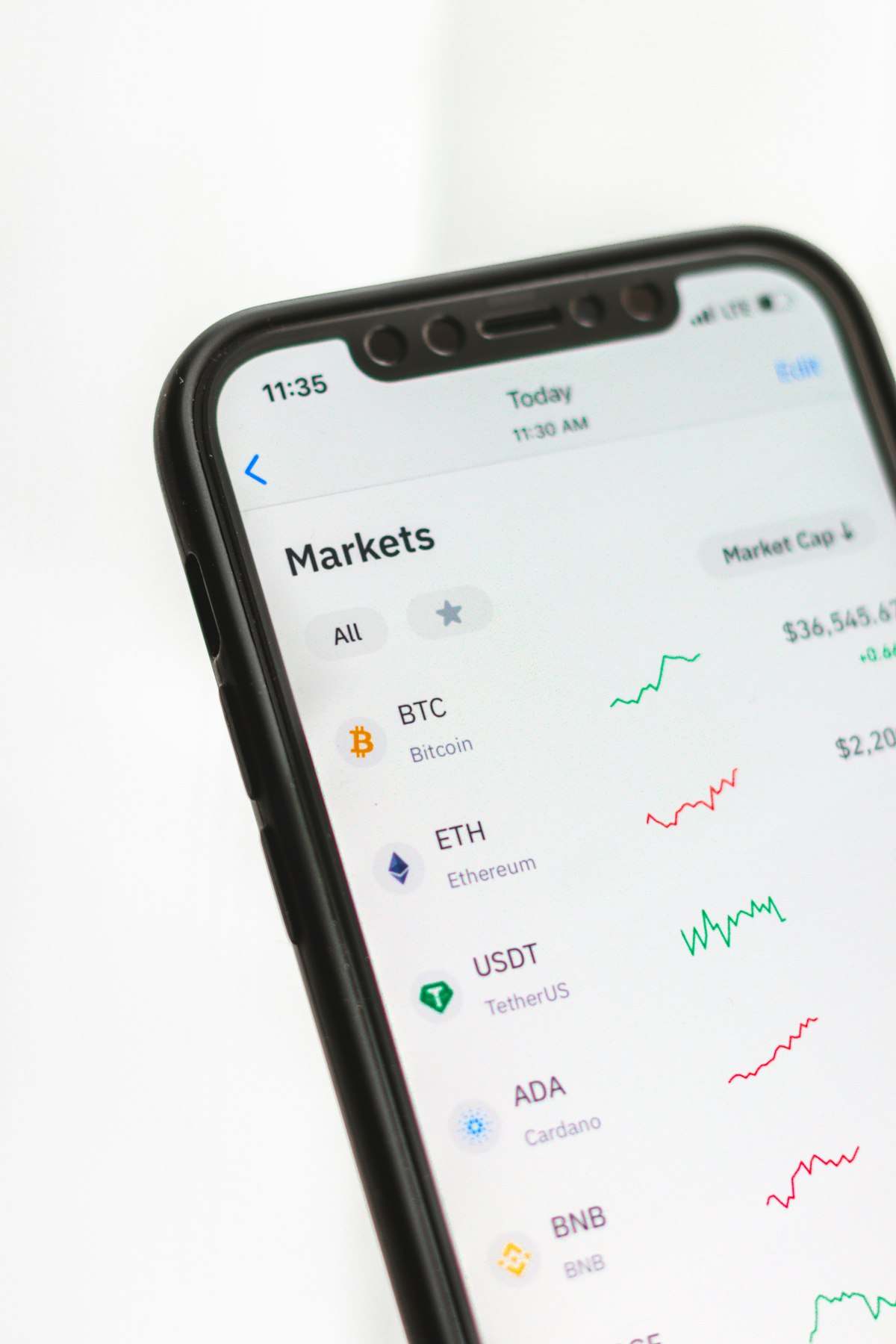
The world of cryptocurrency trading has exploded in recent years, with more and more people looking to get involved. However, for beginners, the concept of crypto trading can be overwhelming. With so many different cryptocurrencies, trading platforms, and strategies to choose from, it's easy to feel lost. That's why we've put together this comprehensive guide to crypto trading for beginners. Whether you're looking to make a quick profit or invest for the long-term, this guide will walk you through the basics of crypto trading and provide you with the knowledge you need to get started.
Before you start trading, it's essential to understand some core concepts. Here are the main ideas you need to know:
Cryptocurrencies: These are digital or virtual currencies that use cryptography for security. Examples include Bitcoin, Ethereum, and Litecoin.Blockchain: This is the technology that underlies most cryptocurrencies. It's a public ledger that records all transactions made with a particular cryptocurrency.Trading platforms: These are online platforms that allow you to buy and sell cryptocurrencies. Examples include Coinbase, Binance, and Kraken.Wallets: These are software programs that allow you to store, send, and receive cryptocurrencies. Examples include MetaMask, Ledger, and Trezor.Market orders: These are orders to buy or sell a cryptocurrency at the current market price.Limit orders: These are orders to buy or sell a cryptocurrency at a specific price.Let's consider an example to illustrate these concepts. Suppose you want to buy 1 Bitcoin (BTC) on the Coinbase trading platform. You would:
1. Create an account on Coinbase and deposit some funds.
2. Go to the BTC/USD trading page and click on the "Buy" button.
3. Enter the amount of BTC you want to buy (in this case, 1).
4. Choose a payment method (e.g., bank transfer, credit card).
5. Confirm the transaction.Now that you understand the core concepts, let's walk through a step-by-step example of how to apply them in real trading:
1. Choose a trading platform: Research and select a reputable trading platform that meets your needs.
2. Create an account: Sign up for an account on the platform and verify your identity.
3. Deposit funds: Deposit some funds into your account using a payment method accepted by the platform.
4. Select a cryptocurrency: Choose a cryptocurrency you want to trade (e.g., BTC, ETH, LTC).
5. Set a budget: Decide how much you want to invest in the cryptocurrency.
6. Place an order: Use the platform's interface to place a market or limit order.
7. Monitor and adjust: Monitor the market and adjust your strategy as needed.For example, suppose you want to buy 0.1 BTC on the Binance trading platform. You would:
1. Create an account on Binance and deposit some funds.
2. Go to the BTC/USDT trading page and click on the "Buy" button.
3. Enter the amount of BTC you want to buy (in this case, 0.1).
4. Choose a payment method (e.g., USDT).
5. Confirm the transaction.As a beginner, it's easy to make mistakes when trading cryptocurrencies. Here are some common mistakes to avoid:
Lack of research: Failing to research a cryptocurrency before investing.Insufficient risk management: Failing to set stop-loss orders or limit positions.Emotional decision-making: Making trading decisions based on emotions rather than logic.Overtrading: Trading too frequently, which can lead to losses and fees.To avoid these mistakes, make sure to:
Research a cryptocurrency thoroughly before investing.Set stop-loss orders and limit positions to manage risk.Use technical analysis and fundamental analysis to inform your trading decisions.Avoid overtrading by setting a trading plan and sticking to it.For experienced traders, here are some advanced tips to take your trading to the next level:
Use technical indicators: Use technical indicators like moving averages, RSI, and Bollinger Bands to analyze the market.Diversify your portfolio: Diversify your portfolio by investing in multiple cryptocurrencies.Use leverage wisely: Use leverage (e.g., margin trading) wisely to amplify your gains, but be aware of the risks.Stay up-to-date with market news: Stay up-to-date with market news and trends to stay ahead of the curve.For example, suppose you want to use technical indicators to analyze the BTC/USD market. You would:
1. Use a charting platform (e.g., TradingView) to analyze the market.
2. Apply technical indicators (e.g., moving averages, RSI) to the chart.
3. Use the indicators to identify trends and patterns in the market.
4. Adjust your trading strategy based on your analysis.Here are the key takeaways from this guide:
Understand the core concepts of crypto trading, including cryptocurrencies, blockchain, trading platforms, wallets, market orders, and limit orders.Apply these concepts in real trading by choosing a trading platform, creating an account, depositing funds, selecting a cryptocurrency, setting a budget, placing an order, and monitoring and adjusting your strategy.Avoid common mistakes like lack of research, insufficient risk management, emotional decision-making, and overtrading.Use advanced tips like technical indicators, diversification, leverage, and staying up-to-date with market news to take your trading to the next level.This guide is for educational purposes only and should not be considered as financial advice. Trading cryptocurrencies carries significant risks, including the risk of losing some or all of your investment. Always do your own research, set a budget, and never invest more than you can afford to lose.