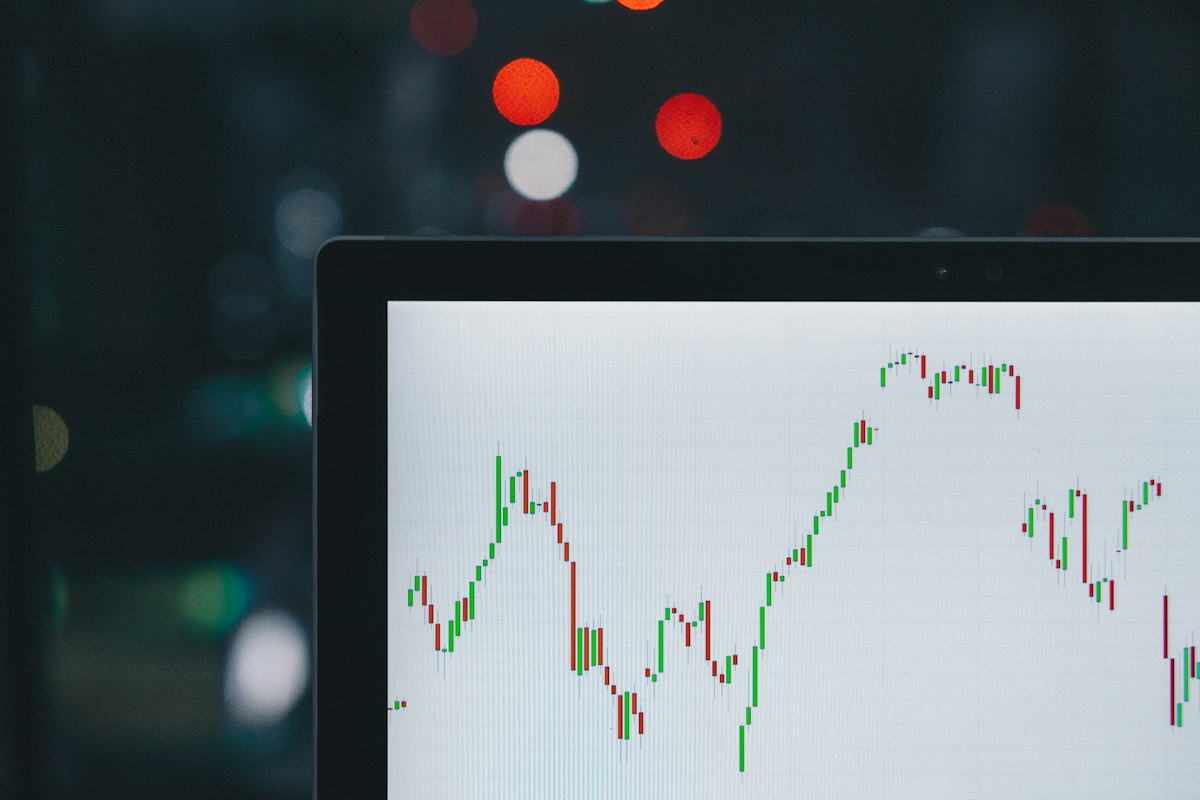
Fibonacci retracement is a technical analysis tool used by traders to predict potential support and resistance levels in the markets. This concept is based on the idea that markets tend to retrace a predictable portion of a move before continuing in the original direction. Understanding Fibonacci retracement is crucial for traders as it can help them identify profitable entry and exit points, set stop-loss levels, and manage risk. In this guide, we will delve into the core concepts, practical applications, common mistakes, and advanced tips for using Fibonacci retracement in trading.
Fibonacci retracement is based on the Fibonacci sequence, a series of numbers in which each number is the sum of the two preceding numbers (1, 1, 2, 3, 5, 8, 13, etc.). The key levels used in Fibonacci retracement are:
23.6% (minor retracement)
38.2% (moderate retracement)
50% (major retracement)
61.8% (major retracement)
76.4% (deep retracement)
100% (full retracement)These levels are calculated by dividing the distance between a high and low point by the key Fibonacci ratios. For example, if a stock moves from $50 to $100, the 50% retracement level would be $75, which is the midpoint between the high and low.
Example
Suppose we are looking at a chart of a stock that has moved from $20 to $50. To find the Fibonacci retracement levels, we would:
1. Identify the high and low points ($50 and $20).
2. Calculate the distance between these points ($50 - $20 = $30).
3. Apply the Fibonacci ratios to this distance:
- 23.6% of $30 = $7.08, so the 23.6% retracement level is $50 - $7.08 = $42.92.
- 38.2% of $30 = $11.46, so the 38.2% retracement level is $50 - $11.46 = $38.54.
- 50% of $30 = $15, so the 50% retracement level is $50 - $15 = $35.
- 61.8% of $30 = $18.54, so the 61.8% retracement level is $50 - $18.54 = $31.46.
- 76.4% of $30 = $22.92, so the 76.4% retracement level is $50 - $22.92 = $27.08.
To apply Fibonacci retracement in real trading, follow these steps:
1. Identify the Trend: Determine the direction of the trend you are analyzing.
2. Find the High and Low: Identify the most recent high and low points within the trend.
3. Calculate the Retracement Levels: Use the Fibonacci ratios to calculate the retracement levels between the high and low points.
4. Look for Confluence: Combine Fibonacci levels with other forms of technical analysis, such as support and resistance lines, moving averages, or chart patterns, to find areas of confluence where the price is more likely to react.
5. Set Entries and Exits: Use the identified levels to set potential entry points, take-profit levels, and stop-loss orders.
6. Monitor and Adjust: Continuously monitor the market and adjust your strategy as needed based on how the price interacts with the Fibonacci levels.
Beginners often make the following mistakes when using Fibonacci retracement:
Incorrect Identification of High and Low Points: Failing to identify the correct high and low points can lead to incorrect calculation of retracement levels.
Not Considering Other Forms of Analysis: Relying solely on Fibonacci retracement without considering other technical and fundamental analysis can lead to incomplete market views.
Expecting Exact Levels: Expecting the price to reverse exactly at a Fibonacci level without considering the volatility and liquidity of the market.
Not Adjusting for Market Conditions: Failing to adjust the strategy based on changing market conditions, such as shifts in volatility or trend strength.
For experienced traders, here are some advanced tips:
Use Fibonacci Extensions: In addition to retracement levels, Fibonacci extensions can be used to predict potential price targets beyond the 100% level.
Combine with Other Indicators: Integrating Fibonacci analysis with other technical indicators, such as the Relative Strength Index (RSI) or Bollinger Bands, can enhance the accuracy of trade signals.
Analyze Different Time Frames: Applying Fibonacci retracement to different time frames can provide a more comprehensive view of market movements and potential trading opportunities.
Consider Market Psychology: Understanding how other traders might be using Fibonacci levels can help in anticipating market reactions and making more informed trading decisions.
Key takeaways from this guide include:
Fibonacci retracement is a powerful tool for identifying potential support and resistance levels.The 23.6%, 38.2%, 50%, 61.8%, and 76.4% levels are the most commonly used retracement levels.Combining Fibonacci analysis with other forms of technical analysis can increase its effectiveness.Continuous monitoring and adjustment of the trading strategy are crucial for success.Advanced traders can benefit from using Fibonacci extensions, combining with other indicators, analyzing different time frames, and considering market psychology.
This educational content is provided for informational purposes only and should not be considered as investment advice. Trading in financial markets involves risk, and it is important for individuals to do their own research and consult with financial advisors before making any investment decisions. The information provided here is based on the author's knowledge and experience but should not be taken as a guarantee of future results. Always trade with caution and within your financial means.