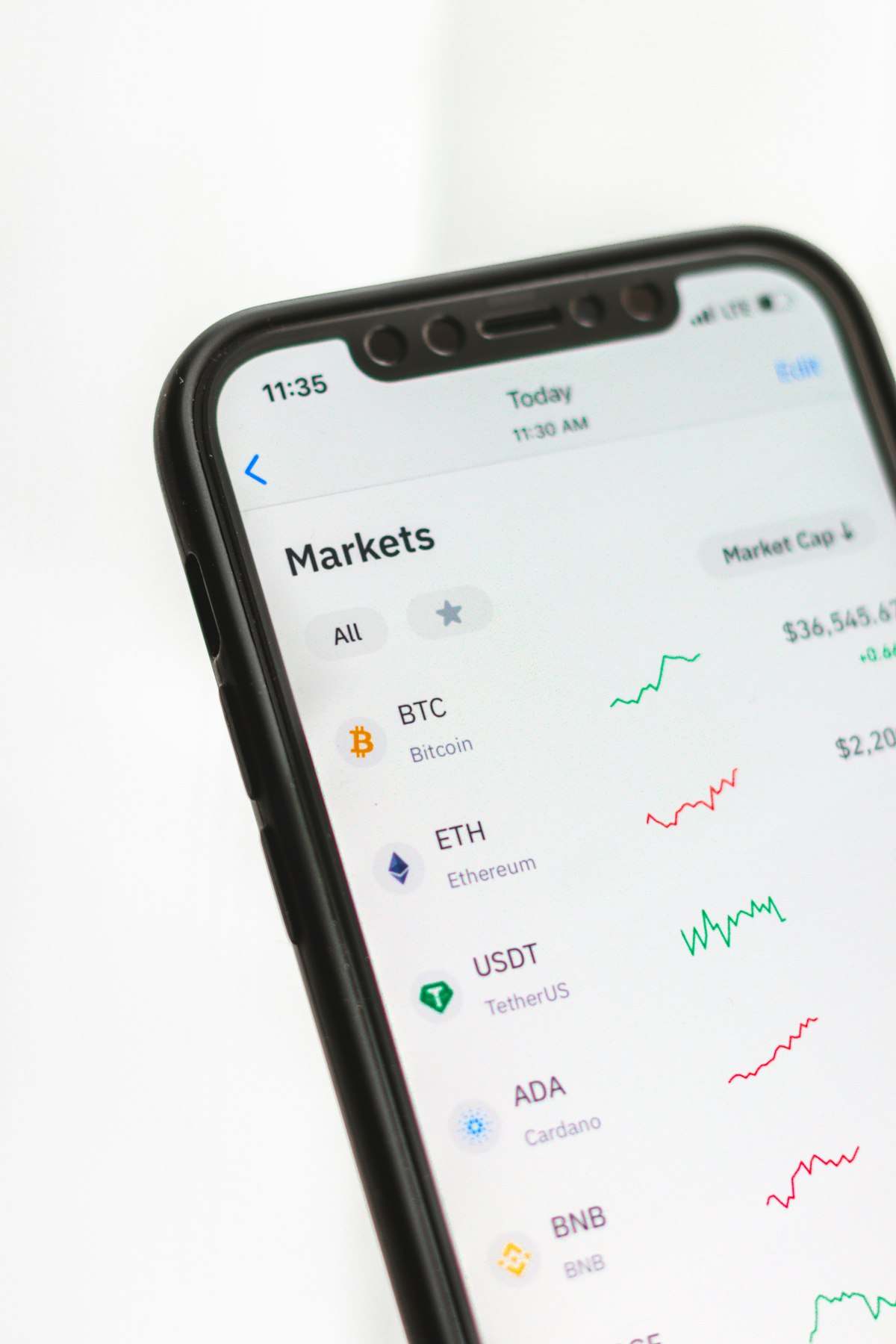
As a trader, understanding the differences between spot and futures trading is crucial for making informed decisions in the markets. Both spot and futures trading offer unique opportunities and risks, and knowing how to navigate these markets can significantly impact your trading performance. In this article, we will delve into the core concepts of spot and futures trading, explore how to apply them in real trading, discuss common mistakes to avoid, and provide pro tips for experienced traders.
Spot Trading
Spot trading, also known as cash trading, involves buying or selling an asset at the current market price. The transaction is settled immediately, and the buyer receives the asset, while the seller receives the payment. Spot trading is commonly used in forex, stocks, and cryptocurrencies.
**Example:*
You buy 1 Bitcoin (BTC) at the current market price of $40,000. You pay $40,000, and the seller transfers 1 BTC to your wallet. The transaction is settled immediately.Futures Trading
Futures trading involves buying or selling a contract that obligates you to buy or sell an asset at a predetermined price on a specific date in the future. Futures contracts are standardized, exchange-traded contracts that specify the asset, price, and expiration date.
**Example:*
You buy a futures contract for 1 BTC with an expiration date in 3 months at a price of $45,000. If the price of BTC is $50,000 at expiration, you can buy 1 BTC at $45,000 and sell it at $50,000, earning a profit of $5,000.Key Differences
**Settlement:*
Spot trading is settled immediately, while futures trading is settled on a specific date in the future.**Leverage:*
Futures trading often involves higher leverage, which can amplify gains and losses.**Risk:*
Futures trading involves more risk due to the obligation to buy or sell at a predetermined price.1. **Choose a Trading Platform:*
Select a reputable trading platform that offers both spot and futures trading, such as Binance or Kraken.
2. **Set Clear Goals:*
Determine your trading goals and risk tolerance to decide which type of trading is suitable for you.
3. **Analyze Market Conditions:*
Study market trends, news, and analysis to make informed trading decisions.
4. **Manage Risk:*
Use stop-loss orders, position sizing, and risk management techniques to limit potential losses.
5. **Monitor and Adjust:*
Continuously monitor your trades and adjust your strategy as market conditions change.1. **Insufficient Risk Management:*
Failing to set stop-loss orders or manage risk can lead to significant losses.
2. **Lack of Market Analysis:*
Neglecting to analyze market conditions and trends can result in poor trading decisions.
3. **Overleveraging:*
Using excessive leverage can amplify losses and lead to margin calls.
4. **Inadequate Understanding:*
Failing to understand the differences between spot and futures trading can lead to confusion and poor trading decisions.1. **Use Futures Trading for Hedging:*
Futures trading can be used to hedge against potential losses in spot trading.
2. **Take Advantage of Arbitrage:*
Identify price discrepancies between spot and futures markets to profit from arbitrage opportunities.
3. **Use Technical Analysis:*
Apply technical analysis techniques to identify trends and patterns in futures markets.
4. **Stay Up-to-Date with Market News:*
Continuously monitor market news and events to stay ahead of the curve.Spot trading involves buying or selling an asset at the current market price.Futures trading involves buying or selling a contract that obligates you to buy or sell an asset at a predetermined price on a specific date.Key differences between spot and futures trading include settlement, leverage, and risk.To apply spot and futures trading, choose a reputable platform, set clear goals, analyze market conditions, manage risk, and monitor and adjust your trades.Common mistakes include insufficient risk management, lack of market analysis, overleveraging, and inadequate understanding.Pro tips include using futures trading for hedging, taking advantage of arbitrage, using technical analysis, and staying up-to-date with market news.This article is for educational purposes only and should not be considered as financial advice. Trading in financial markets involves risk, and it is essential to do your own research and consult with a financial advisor before making any investment decisions. The Elite Trading Academy is not responsible for any losses or damages resulting from the use of this information.